Category Archives: Non classé

Meet us: European Defence Week & Tech Tour Defence

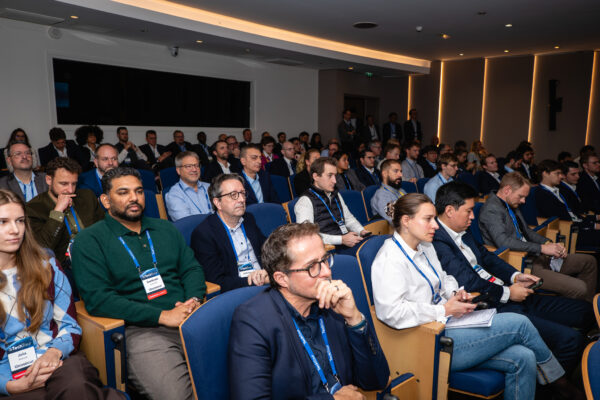
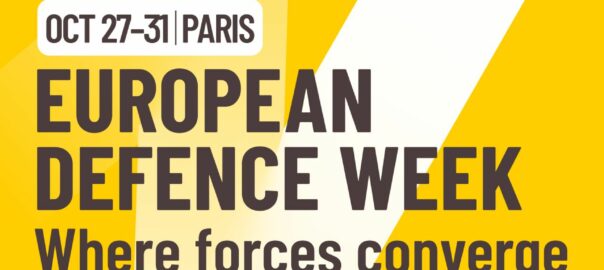
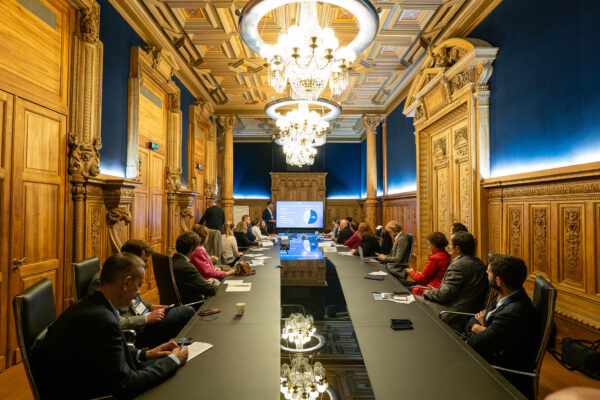
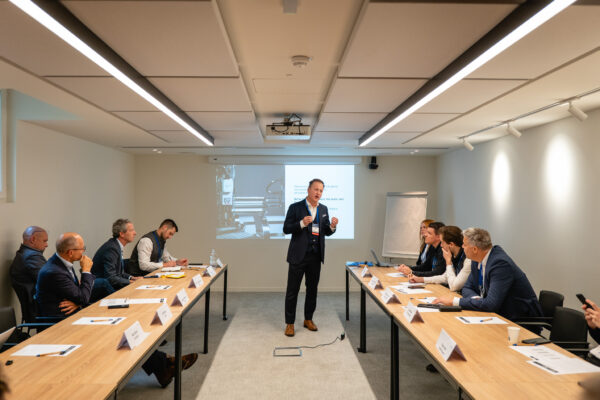
Edge.40 attended the European Defence Week in Paris, organised by EuroQuity – BpiFrance. This first-of-a-kind event gathered much of the European, British, and Ukrainian defence ecosystem in Paris. Across five intense days, operational feedback, start-up pitches, strategic insights from think tanks and investor perspectives offered a clear view of the progress achieved—and of the road ahead.

  • Guillaume spoke on the topic « From Civilian to Defence: How can start-ups bridge the gap? » together with Panayiotis Philimis, CEO of CYRIC EU, Vladimir Marhefka, Vice-Chairman of the Board of Directors at RVmagnetics, Frédéric MONTAGARD, Co-founder and CEO of ALVEVM, and Hubert Raymond, Head of Innovation at GICAT

🔑 First, whether in Ukraine or the Sahel, drones must deliver a permanent, direct, and reliable BFR to enhance tactical awareness. Logistics and maintenance excellence remain essential to sustaining high operational tempo and, ultimately, achieving strategic success. Innovation in these areas is urgently needed.

🏔️ Second, Defence Tech founders still face major hurdles: bridging the cultural gap with the military, and clarifying what “dual-use” truly meansboth operationally and commercially.

⚠️ Finally, there is no hype in defence. Adoption is driven solely by product effectiveness. To deliver that, one must understand real operational constraints—by being on the ground and continuously returning to it.

  • Evelyn moderated a panel on « Acquisition of startups: Is this the only way to succeed in defence? », with the participation of Marc Lange, Strategic Advisor to 2 Ventures, Lorenzo Scatena, Secretary General to Fondazione E. Amaldi, and Adam Painter, Senior Commercial Advisor to NATO DIANA.
Meet us: UnlockVC Summit

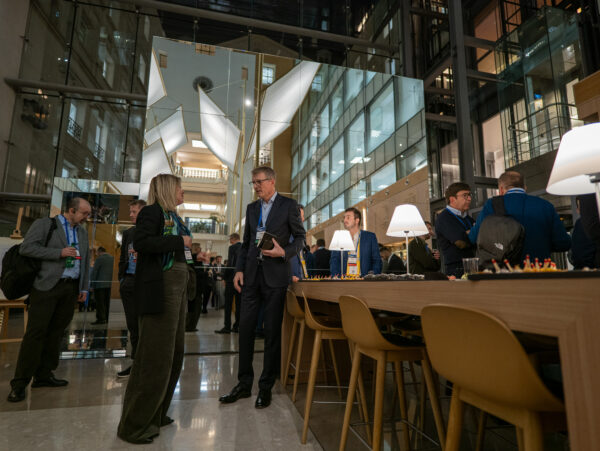
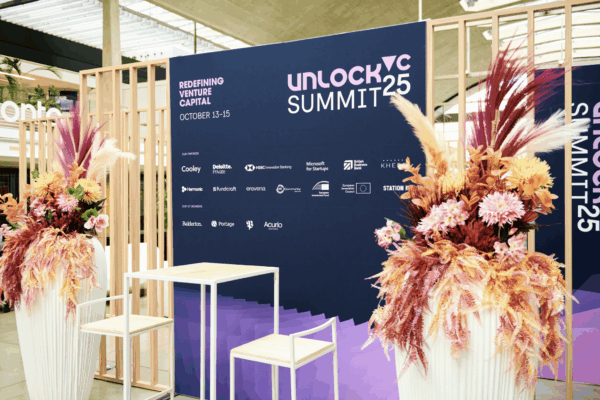
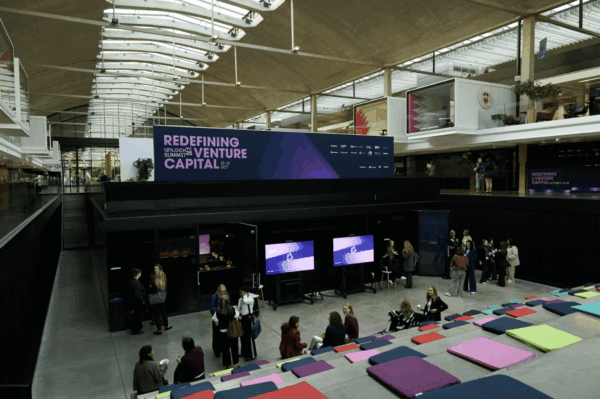
Evelyn attended the 2025 UnlockVC Summit – a two-day event in Paris bringing together 400+ women investors, thought leaders, and industry pioneers for impactful networking, learning and growth – where she hosted a roundtable on the theme “Is Khaki the New Green?”, a provocative and timely discussion examining the accelerating overlap between defence innovation, dual-use technologies, and impact-driven investment strategies.

Participants in the roundtable reflected on Europe’s shifting technological priorities and the role that venture capital can play in strengthening resilience and strategic autonomy. The conversation highlighted several emerging dynamics in the market:

  • Civilian-first startups are increasingly pivoting toward defence applications
    Many venture firms are observing that portfolio companies originally built for civilian markets are now discovering meaningful defence use cases. This shift raises important questions about how best to support founders operating in procurement-heavy, highly regulated environments.

  • Investors are actively debating compliance and ethics frameworks for dual-use technologies
    A growing dialogue among LPs and GPs focuses on how to balance strategic relevance with responsible governance when assessing dual-use opportunities, and what standards should guide investment decisions in a rapidly evolving sector.

  • Technological sovereignty is becoming central to Europe’s impact narrative
    Participants noted a rising recognition that security resilience and sovereign capabilities are not in opposition to impact goals but increasingly form a core pillar of Europe’s long-term societal and economic sustainability.

The roundtable underscored that as geopolitical and technological landscapes evolve, the boundaries between impact, innovation, and security are being redefined, inviting investors to adapt their frameworks and responsibilities accordingly.

Meet us: Resilience Conference

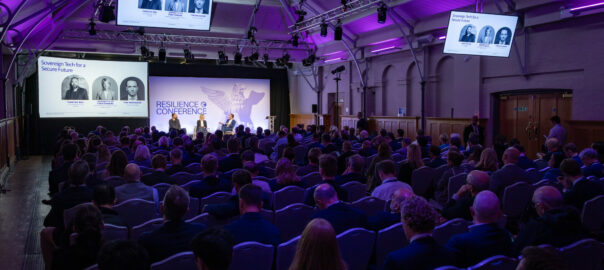
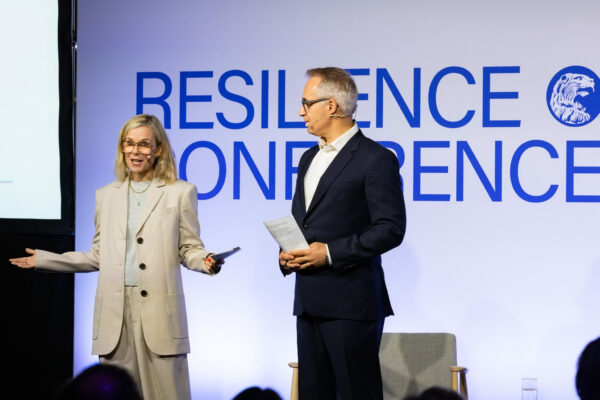
Late September, Guillaume attended the Resilience Conference 2025 in London. Resilience Media convened European and Allied investors, government officials, and frontier-technology innovators for an event curated by Tobias Stone and Leslie Hitchcock. Representatives from across the defence technology ecosystem gathered to evaluate Europe’s strategic posture and the role of private capital in strengthening resilience. Three themes emerged prominently during the discussions:

  • Hybrid warfare below the economic threshold: Speakers emphasized that today’s grey-zone conflict environment challenges traditional assumptions of peace, yet remains below the level that would trigger large-scale economic mobilization. Europe is not operating in a “war economy,” and many governments retain limited incentives for substantial defence investment.

  • European underestimation of the threat landscape: Participants noted that Russia is adaptive, aggressive, and accelerating its military innovation. Units such as Rubicon illustrate the pace of this evolution. At the same time, the cultural divide between Western civilian tech ecosystems and military users continues to slow adoption cycles.

  • Shift toward scalable, cost-effective battlefield solutions: The next generation of capabilities will be modular, affordable, and rapidly scalable. Examples such as the Flamingo missile (priced around €1 million with a 3,000 km range and 15 m accuracy) highlight the disruptive potential of new entrants. Private capital has a clear opportunity to support this paradigm shift.

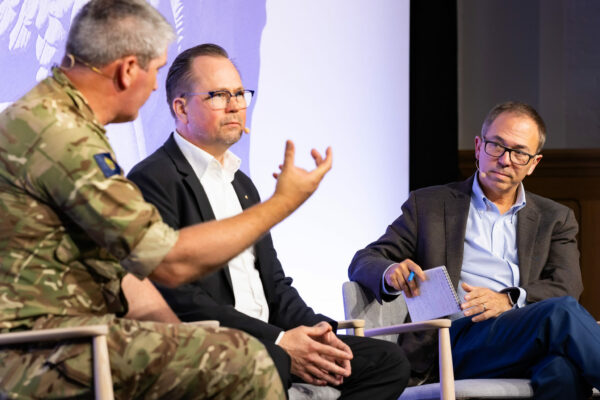
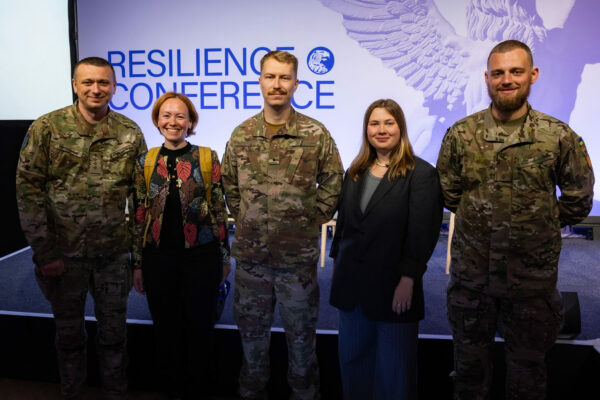
A standout moment of the conference was the contribution from Ukraine’s Armed Forces, who detailed how Ukrainian units are adapting Western technologies under extreme operational pressure while facing an enemy capable of fast learning and rapid counter-innovation. Several core technologies were identified as decisive for near-term battlefield advantage.

Thought leaders Mike Keating and Teemu Seppälä delivered compelling analyses on the modernization of armed forces, stressing the need to balance technological transformation with the ethical and human dimensions of warfare.

European VCs outlined the structural challenges and emerging opportunities in dual-use financing, while the Darkstar team was widely recognized for its commitment to building one of the most dynamic defence-tech ecosystems in Europe and providing direct support to Ukraine.

In a nutshell, the conference underscored that innovation, cooperation, and adaptability are central to safeguarding democratic societies.